Featured
Table of Contents
Signal Types in Angular 21 change FormGroup discomfort and ControlValueAccessor intricacy with a cleaner, reactive model developed on signals. Discover what's new in The Replay, LogRocket's newsletter for dev and engineering leaders, in the February 25th problem. Explore how the Universal Commerce Procedure (UCP) permits AI representatives to get in touch with merchants, deal with checkout sessions, and firmly procedure payments in real-world e-commerce circulations.
This post explores six typical errors that obstruct streaming, bloat hydration, and create stagnant UI in production.

2026 Into Soft Pvt. Ltd. All rights reserved.
Laravel, Rails, and Django stay the most battle-tested full-stack frameworks in 2026. dominates for React-first apps however requires significant assembly. Wasp brings the batteries-included experience of Laravel/Rails to the JS/TS environment, with the strongest AI-coding compatibility of the five. If you want, go Laravel for PHP or Django for Python.
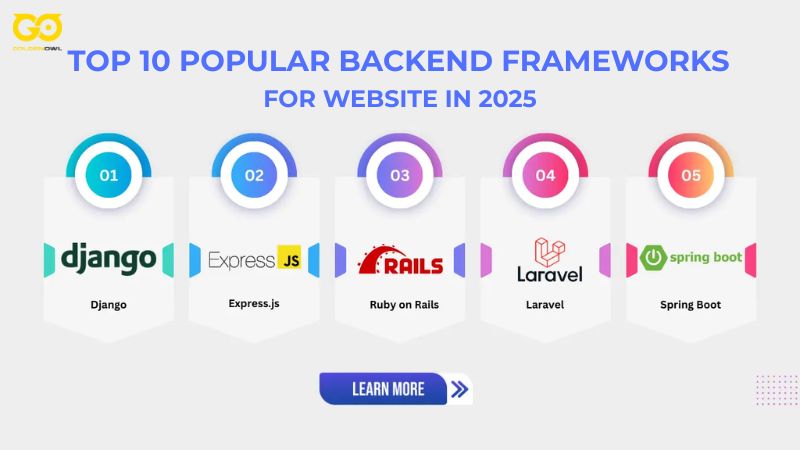
In this guide, we compare the most popular full-stack structures in 2026:,,, and. We likewise consist of, the framework we're building. We believe it's a compelling option in this space, and we wished to put it side by side with the recognized gamers so you can judge for yourself.
Rethinking the Native App Method for Cannabis Web Design That Feels LegitEvaluating Modular and Legacy CMS Platforms
Beyond the typical requirements like developer experience and community size, we also assess how well each framework plays with AI coding tools like Cursor, Claude Code, Codex, Copilot, and OpenCode because in 2026, that matters more than ever. We focused on five requirements when assessing full-stack frameworks: How quick can you go from init to a deployed app? All 5 structures in this guide can be utilized for full-stack advancement, but they take various approaches: These are the original full-stack structures.
Their frontend story differs, e.g. Laravel couple with or Livewire, Rails has Hotwire/Turbo, and Django utilizes design templates or a separate SPA. These are mature, battle-tested, and genuinely full-stack. If your definition of full-stack is "deals with everything from HTTP demand to database and back," these structures accomplished years back. Covers client-side making and server-side reasoning (API paths, server parts), however the database layer is entirely Bring Your Own (BYO).
Wasp takes a different technique within the JavaScript ecosystem particularly. It utilizes a declarative configuration file that explains your routes, authentication, database designs, server operations, and more in one place. The compiler then generates a React + + Prisma application. Unlike Laravel or Rails, Wasp eliminates the need to choose and assemble frontend solutions, and packages whatever within a single psychological design.
Evaluating Headless and Legacy CMS Solutions
Laravel has been the dominant PHP structure for over a decade, and it reveals no signs of decreasing. Laravel has a long tradition of incremental, developer-friendly enhancements. With over and utilized by 61% of PHP designers, Laravel's community is huge and active. expressive, ActiveRecord-style database layer integrated auth scaffolding for email with optional WorkOS AuthKit for social auth, passkeys, and SSO fully-managed releases with Laravel Cloud, or VPS server management with Forge utilize React or Vue as your frontend with server-driven routing built-in job processing and real-time features zero-config regional advancement environment Exceptionally fully grown community with options for almost every issue Exceptional documentation typically mentioned as the gold standard Substantial job market, particularly for companies and SaaS companies First-party tools for deployment, billing (Cashier), search (Scout), and more Active release cycle with annual significant versions PHP enjoy it or dislike it, many JS/Python developers will not consider it Frontend story needs extra setup (, Livewire, or a separate health spa) Efficiency needs tuning for high-concurrency applications Business applications, SaaS items, agencies, and groups currently invested in PHP.
Laravel's constant conventions and outstanding documents mean AI tools can create fairly accurate code. The PHP + JS split (if utilizing Inertia or a React Medspa) suggests the AI needs to understand two separate codebases. Rails has roughly and a devoted, experienced neighborhood.
Bed rails' strong conventions make it relatively foreseeable for AI tools. Like Laravel, the backend (Ruby) and any contemporary frontend (React through Inertia or API mode) are different contexts the AI need to handle.

With roughly, Django has one of the largest open-source neighborhoods of any web framework. Python is the language of AI and data science, making Django a natural choice for teams that need web applications firmly integrated with ML pipelines.
Securing Your Web Stack with Modern Technologies
If your backend does heavy information processing or integrates with AI designs, Django is a natural fit. Exceptional for federal government, education, and business contexts where Python is standard. Python is the language AI tools comprehend best, so Django backend code gets excellent AI assistance. But the detach between Django's backend and a modern-day JS frontend implies AI tools battle with the full-stack photo.

Latest Posts
Tracking the ROI of Upcoming Ranking Signals
Improving Online Performance With AEO Optimization
How Machine Learning Impacts Future Ranking Systems