Featured
Table of Contents
Your company can develop new income streams and business chances by exposing APIs to external developers and partners. API-first design frequently minimizes advancement and upkeep expenses by promoting reusability, modular architecture, and enhanced collaboration.
This lowers possible security vulnerabilities by utilizing APIs as a well-defined interface for accessing information and services. By carrying out API-first style, your company can deliver a more constant and trustworthy client experience throughout various channels and touchpoints. API-first style isn't a once-and-done type of effort. You need to get everybody from your senior software application engineers (that will not be a hard sell) to your organization partners on board with a new approach.
Lean into API spec languages (e.g.
Develop organizational API standards and requirements that outline best detail finest designing, documenting, recording, and managing APIs. This assists make sure consistency and quality throughout all of your APIs. Help with cooperation between development groups during the style phase and the whole API lifecycle.
You may not have a group who can switch your entire business over to an API-first way of designing, structure, and keeping software application. And it could take 6-18 months (or longer) to hire an internal team that's prepared to dive into APIs. Not a problem. That's why Codingscape exists we can assist you get going with API-first design and develop software application with you by next quarter.
Zappos, Twilio, and Veho are simply a few companies that trust us to construct software. You can set up a time to talk with us here. No inconvenience, no expectations, simply responses.
Why Modern CMS Methods Drive Online Impact
As organizations shift towards more integrated and nimble practices, one approach has emerged as a crucial enabler of success: API-First Development. This tactical methodology prioritizes the style and advancement of application programming interfaces (APIs) before any other element of software application advancement. By placing the API at the forefront, organizations can enhance cooperation among advancement groups, boost user experiences, and create far more reliable and scalable software application architectures.
Consider a popular e-commerce platform that experiences an abrupt surge in traffic during the holiday season sale. With millions of users browsing and buying items at the exact same time, the platform required to have a robust backend that might manage the load with no missteps. This is where API-First Advancement enters into play.
Through the integration of custom-made API development services, they can make sure that important elements of their system - such as payment processing, inventory management, and user authentication - communicate seamlessly. With well-structured APIs, each service can operate individually while remaining interconnected, permitting much easier updates, upkeep, and scalability. Not just this however when the holiday rush hits, this company can scale individual services such as payment gateways, stock systems, and so on.
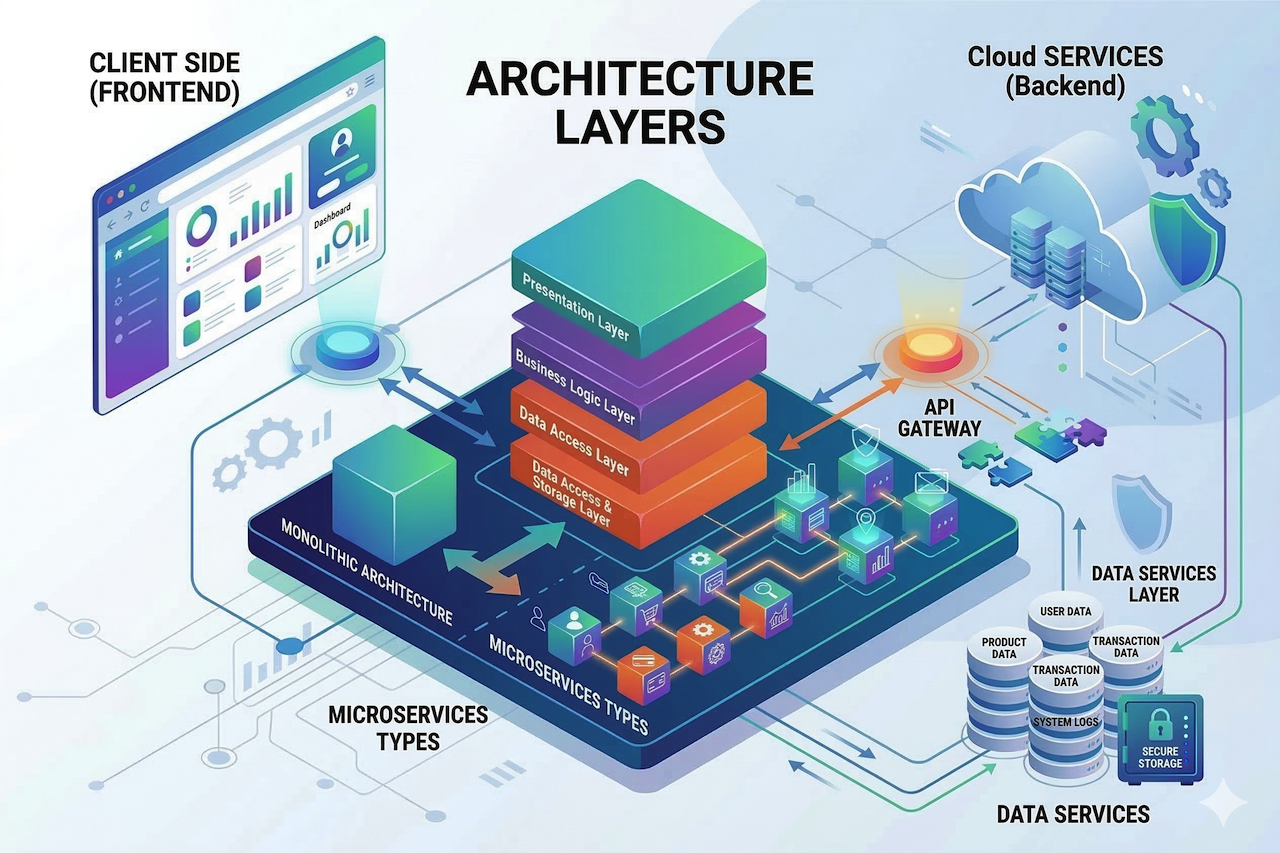
This versatility helps ensure a smooth and continuous shopping experience for consumers, even throughout peak need. Additionally, the ability to incorporate third-party services and systems with very little disruption enables the business to stay agile in an ever-evolving market. Traditional advancement typically follows a monolithic approach where the application is constructed as a single, securely incorporated unit.
A Complete Guide to Evaluating Your CMS
This decoupled, service-oriented approach aids with higher flexibility, scalability, and smooth maintenance. Focus Focuses on API style before advancement begins Focuses on writing application code initially Partnership Improves partnership among cross-functional teams Might cause miscommunication between groups Documents API documentation is produced upfront Documents may be developed post-development Scalability Promotes modular architecture for easier scaling Scaling might need substantial refactoring Development Speed Accelerates development cycles through clear standards Initial advancement may be much faster but can slow down later Flexibility Permits simple updates and integration with brand-new technologies Changes to the codebase can be disruptive Testing Easier to test APIs separately Evaluating might need a total application environment Security Security steps are incorporated into API style Security elements may be addressed later in the advancement API-first advancement offers many advantages for developers and services.
Let's explore a few of them: Among the key benefits of API-first advancement is the enhanced collaboration it promotes amongst cross-functional teams. By defining the API upfront, all stakeholders - from designers to item supervisors - have a shared understanding of how various elements of the application will connect. This clearness minimizes the opportunities of miscommunication and aligns teams on job goals.
By focusing on the API first, companies can substantially shorten their advancement timelines. With a well-defined API, designers have a clear plan to follow, enabling them to construct applications more quickly and with less modifications.
By dealing with APIs as independent components, companies can easily include, customize, or replace services without disrupting the entire system. This versatility enables companies to scale their applications to accommodate increasing user loads or incorporate new innovations with very little friction. As companies grow and evolve, their software application systems can adjust seamlessly, ensuring they remain competitive in a rapidly changing landscape.
With clear documentation, standardized procedures, and defined data structures, designers can easily understand how to interact with the API. This clarity not only speeds up onboarding for brand-new employee but likewise minimizes the finding out curve for existing designers when brand-new functions are introduced. The ability to produce SDKs (Software application Development Packages) or libraries around the API can even more simplify integration efforts, making it much easier for developers to construct applications.
Why API-Driven Design Optimizes Digital Results
API-First Development allows companies to decouple their front-end and back-end, enabling for easier updates and technology shifts as brand-new structures or platforms emerge. This separation implies that organizations can adapt their interface or incorporate new services without needing to overhaul their entire application. As an outcome, organizations can stay nimble and responsive to new patterns and customer requirements, guaranteeing long-term sustainability.
An API-First technique allows organizations to construct security steps straight into the API style, such as authentication protocols and information validation rules. By attending to security issues early in the advancement procedure, organizations can reduce possible vulnerabilities and adhere to market policies better. This proactive position on security not just safeguards sensitive information however also constructs trust with customers and partners.
The API functions as a dependable platform for experimentation, enabling groups to check out brand-new features, services, or innovations without the fear of interrupting existing performances. This culture of development can lead to the advancement of distinct services that separate a service in the market. API-First Advancement is not simply an approach; it's a transformative method that substantially simplifies the software application development process.

Latest Posts
Tracking the ROI of Upcoming Ranking Signals
Improving Online Performance With AEO Optimization
How Machine Learning Impacts Future Ranking Systems